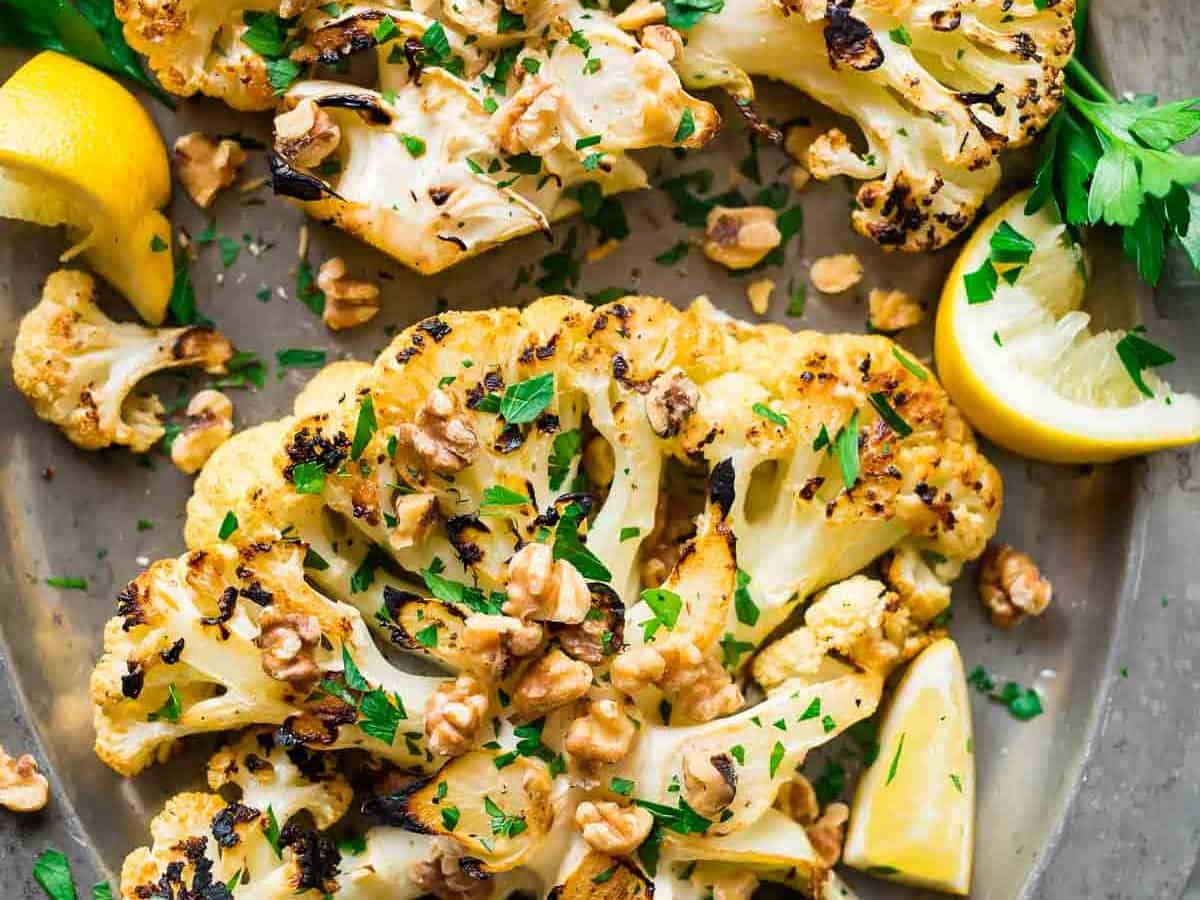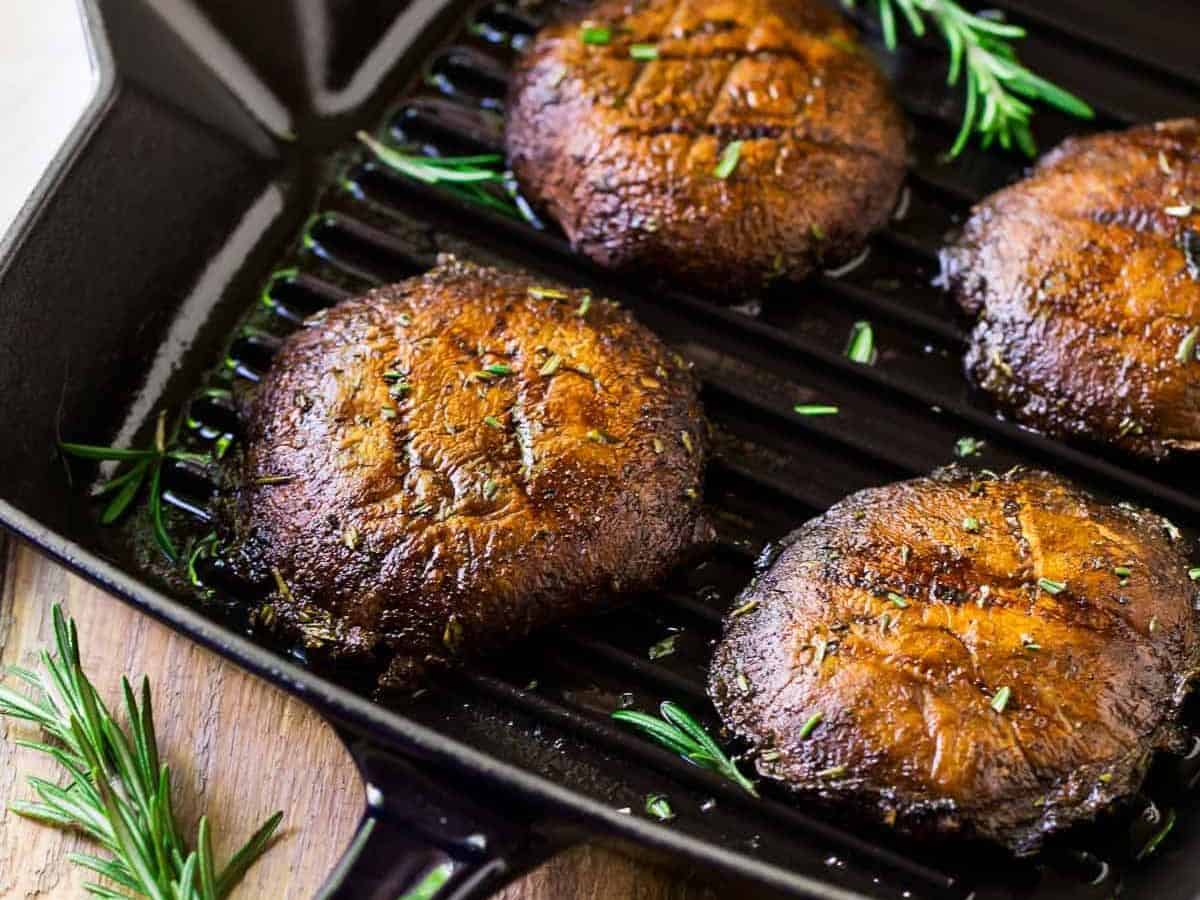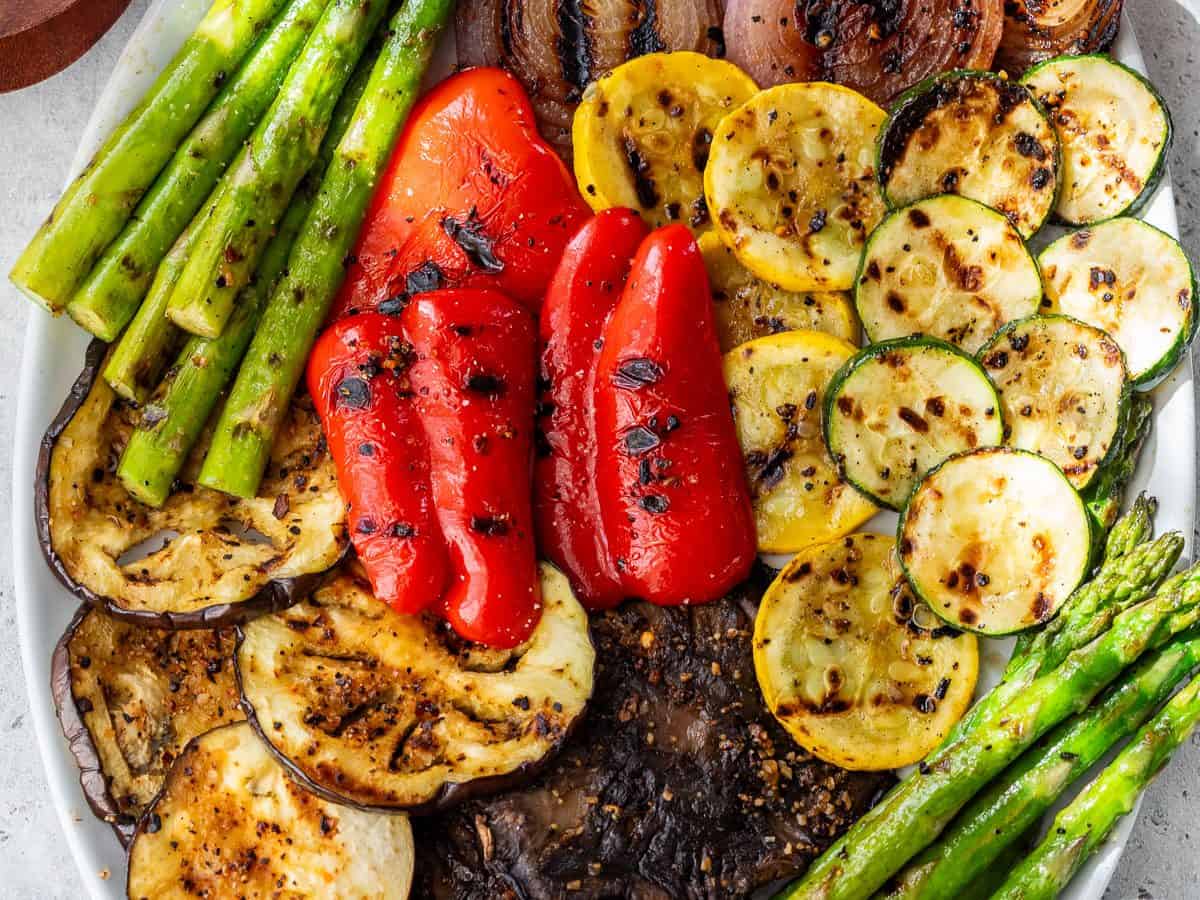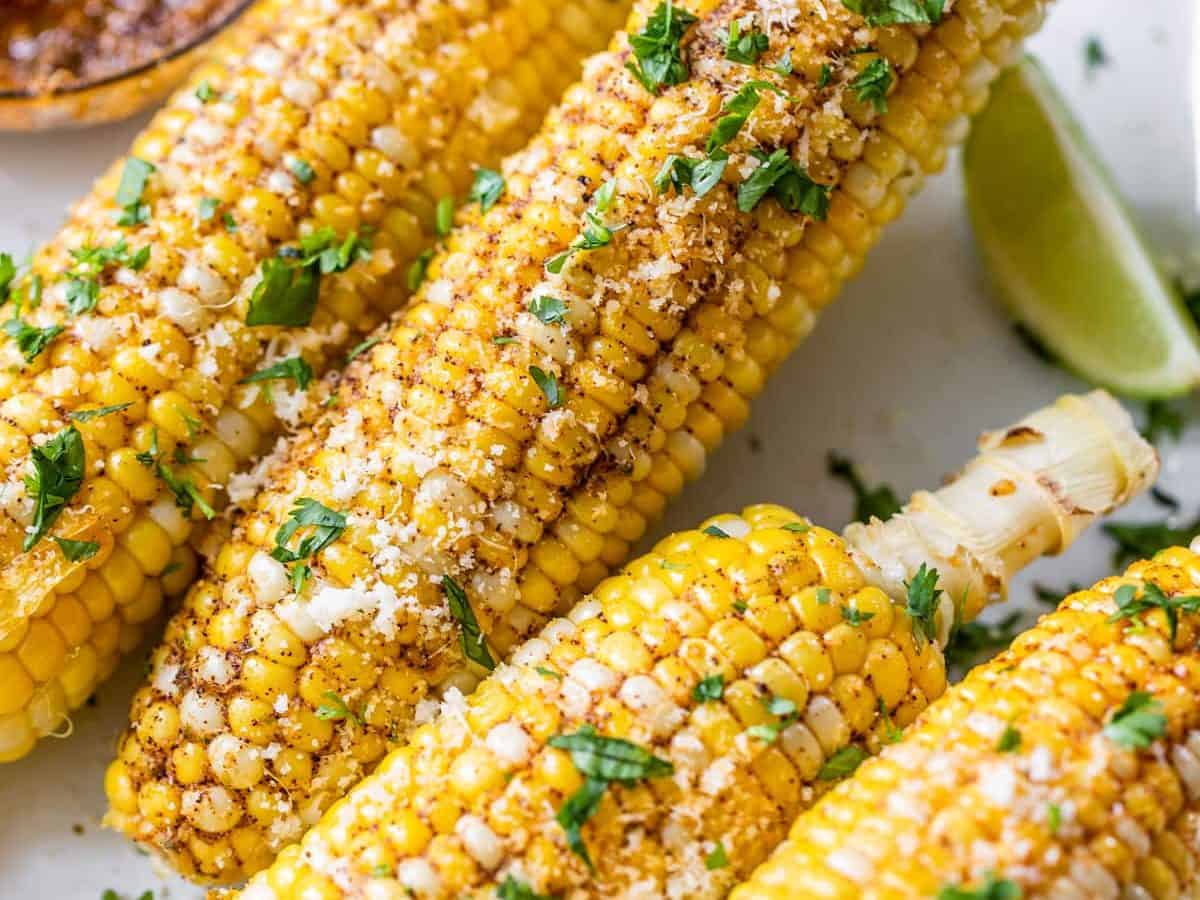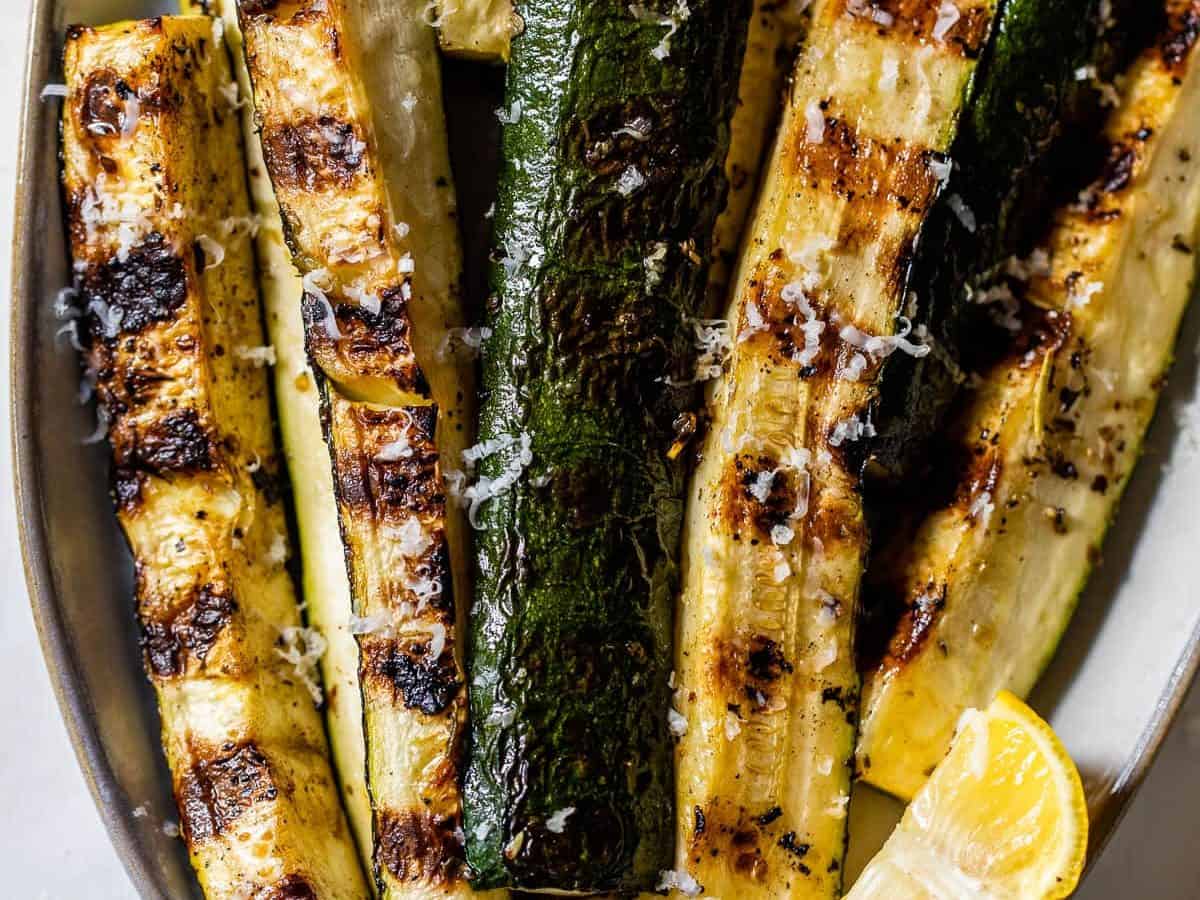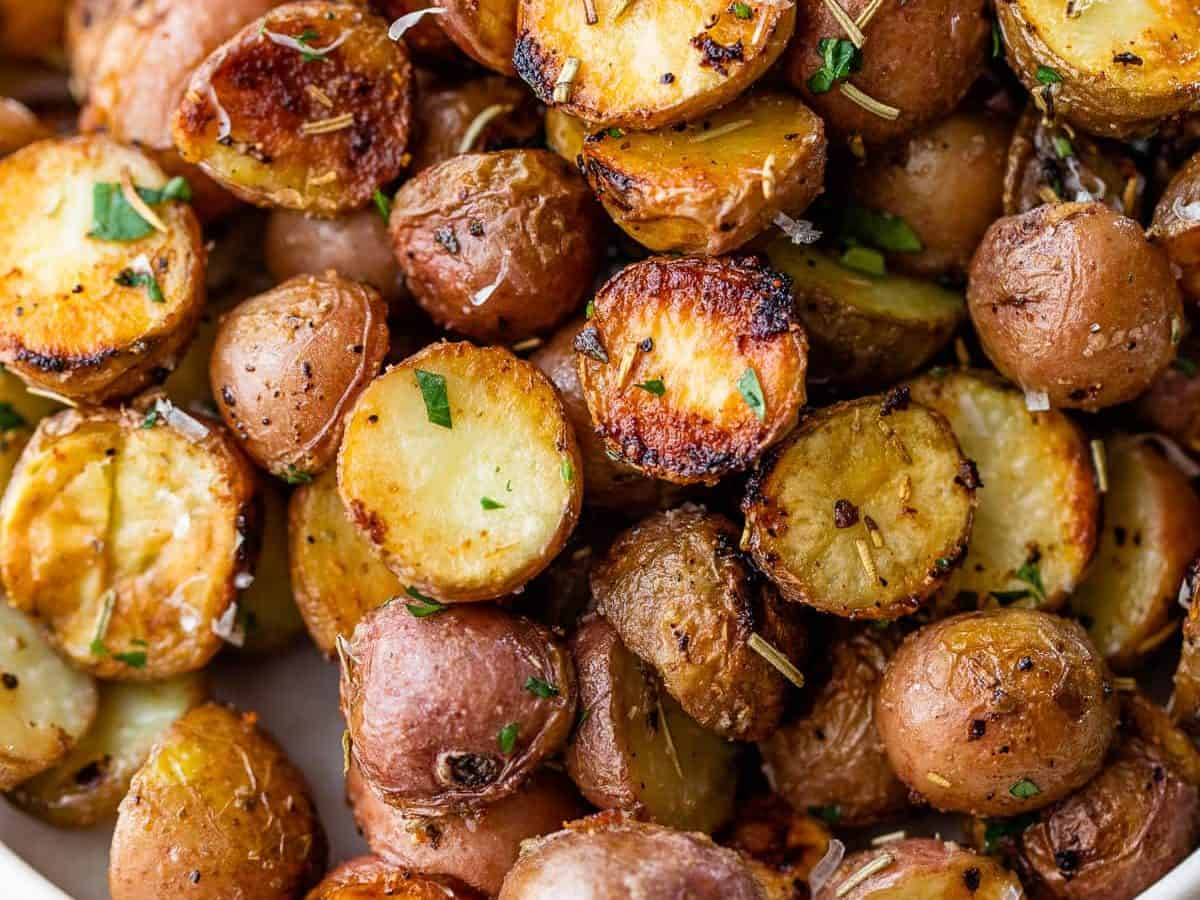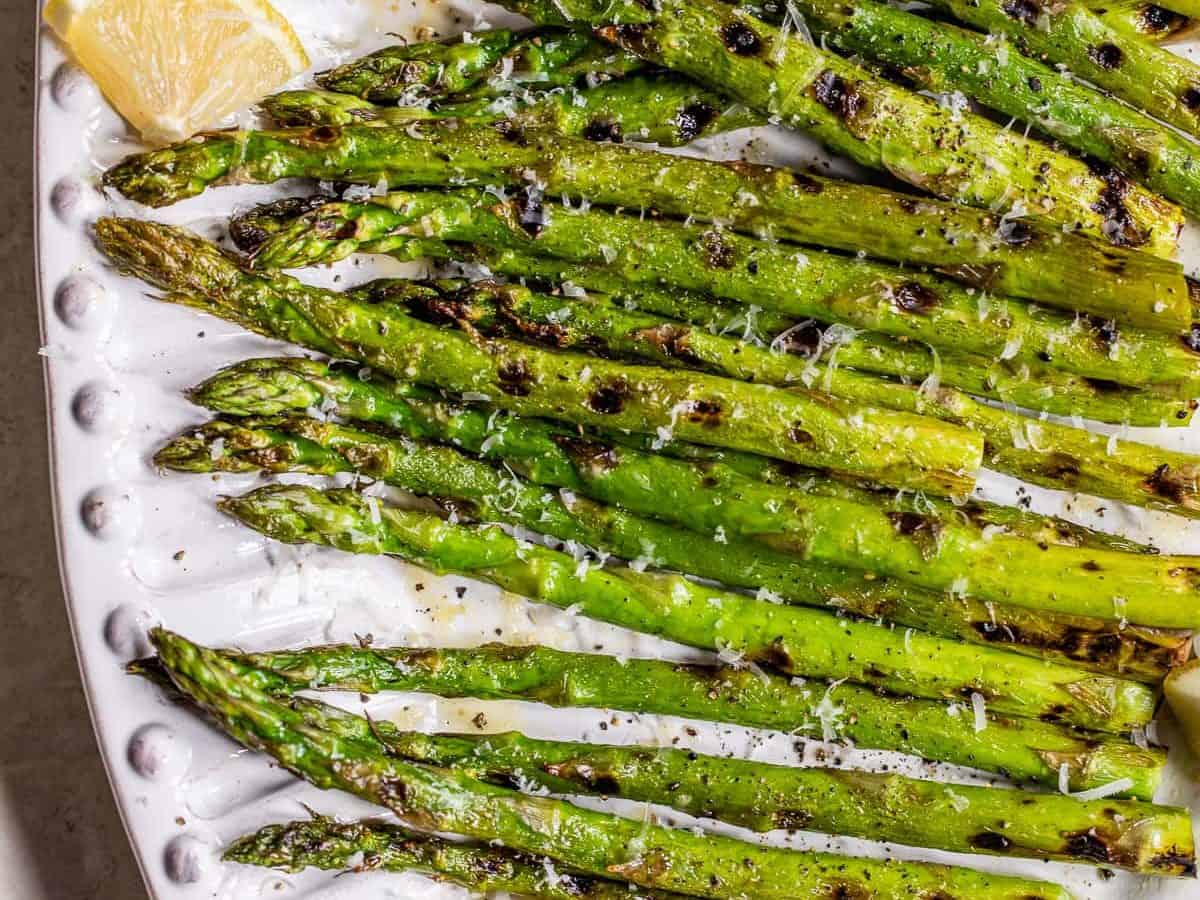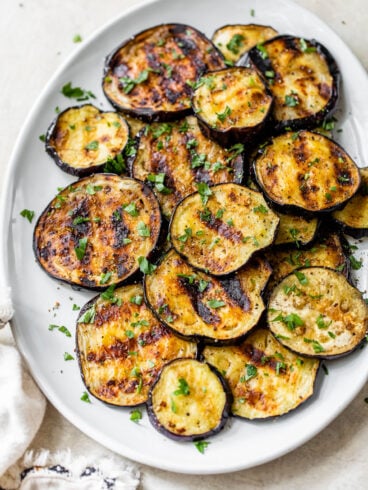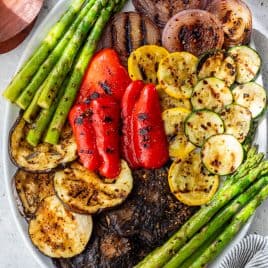

The grill gets plenty of attention for burgers, steaks, and chicken, but don’t sleep on the vegetables! Grilling vegetables adds fabulous flavor, with smoky, caramelized notes and crispy edges. So delish!
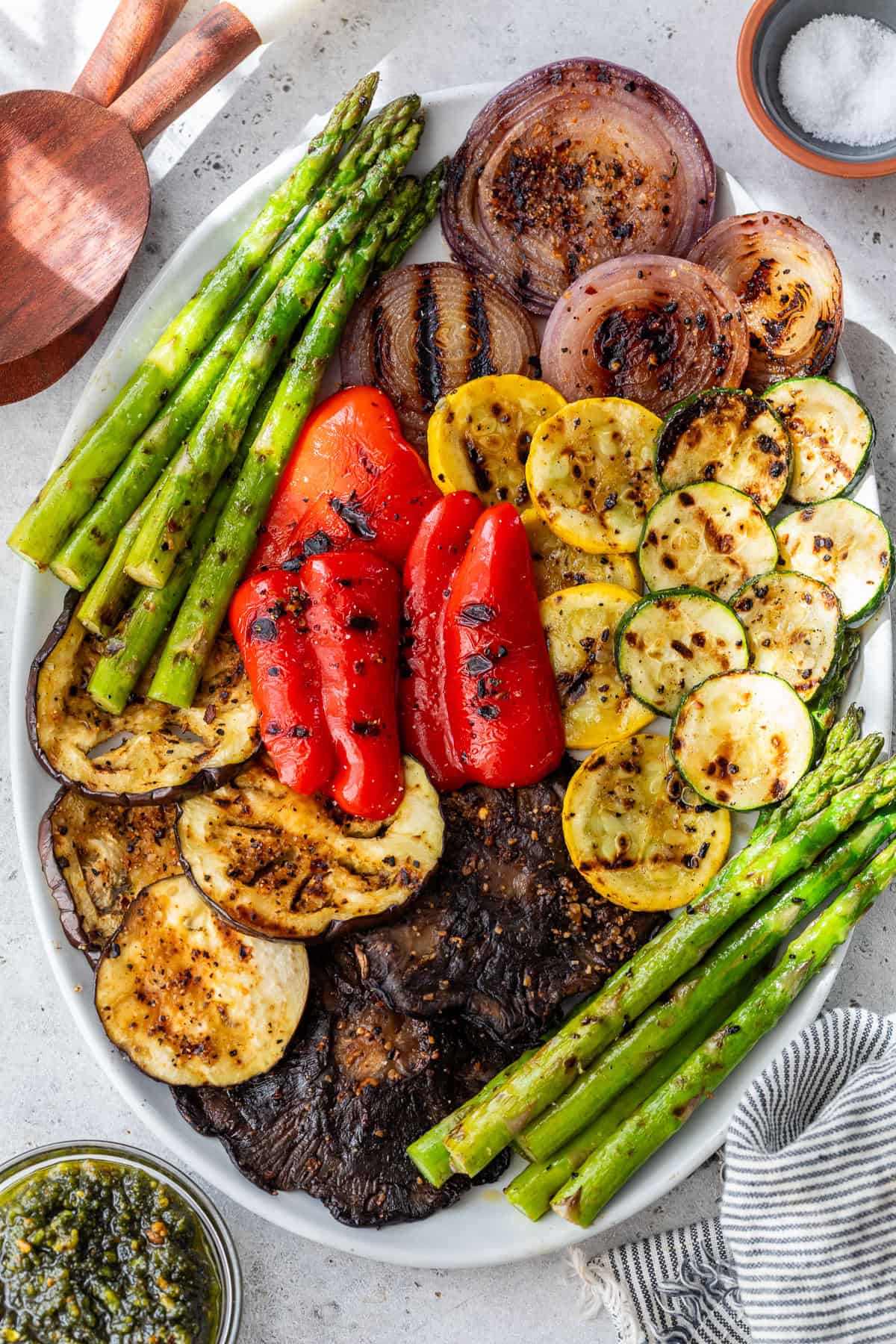
My guide to perfect grilled vegetables!

With all due respect to Grilled Salmon and Grilled Chicken Breast, I think my very favorite thing to grill isn’t a meat at all—it’s vegetables!
You know how roasting transforms veggies and makes them irresistible? Grilling does the same thing, mellowing any sharpness, caramelizing their natural sugars, and making edges and ends crispy. But the grill goes above and beyond the oven because it also adds smoky, charred flavor.
There’s a little bit of a learning curve involved so your veggies don’t fall through the grates, get stuck, or burn before they’re even tender. But once you master the tricks of the trade, you’re golden.

The Basic Rules for Grilling Vegetables
Here are my best tips for no-fail grilling:
Start with Dry Vegetables
After washing your vegetables, dry them well. Excess water creates steam, and steam means sad, mushy veggies (womp womp). Drying them is key to getting a nice char and crispy bits.
Don’t Skimp on the Oil
Okay, you don’t want a TON of oil, which will drip onto the flame and cause flare-ups. But don’t go too light on it either. The vegetables should be well-coated to keep them from sticking to the grill grates.
Cut Into Even Pieces
Uniform pieces cook at the same rate, which means they’ll all be done at the same time. If some pieces are much smaller than others, you’ll end up with a mix of burnt and undercooked vegetables.
Use Two Heat Zones
If you’re grilling a few different varieties of vegetables, it helps to have a hot side and a cooler side for your grill. Start sturdier vegetables like potatoes over higher heat to build color, then move them to the cooler side if they need extra time to finish cooking. More delicate vegetables, like asparagus, benefit from gentler heat from the start.
Season Twice
I always salt the vegetables before grilling because this draws out excess moisture and improves their texture, then after grilling, I add the rest of my seasonings: things like a squeeze of lemon or lime juice, herbs, grated Parmesan, etc. Spices like chili powder and cumin are also best added before grilling.
Understand That Vegetables Don’t All Grill the Same
Different vegetables have different amounts of moisture, sugar, and density, and this changes the grilling method:
- Dense vegetables like potatoes need more cooking time.
- Delicate vegetables like asparagus cook in just a few minutes.
- Mushrooms shrink as they cook.
- Zucchini and other summer squash cook quickly and benefit from high heat to avoid becoming watery.
Grilled Vegetable Recipes to Master